
AI Chatbot for Website Lead Generation: Convert 4X More Visitors Into Qualified Leads

Your website gets traffic. People browse your pages, maybe check out pricing, perhaps read a case study or two. Then they leave. No email captured. No conversation started. No opportunity for your sales team.
This happens thousands of times a day on most business websites. Traditional lead capture—the dreaded contact form—converts at around 2-3%. That means 97% of your visitors leave without a trace.
Here's what's changing that equation: AI chatbots for lead generation are converting visitors at rates 4x higher than static forms. According to Glassix research, websites using AI chatbots see conversion rates jump by 23% compared to those without.
The difference isn't magic. It's timing and conversation. While forms sit passively waiting for visitors to fill them out, chatbots engage at the right moment, ask the right questions, and make lead capture feel like getting help rather than filling out paperwork.
Why Traditional Lead Capture Is Failing#
Let's be honest about the problem with contact forms.
They require visitors to do all the work. The visitor has to decide they want to talk to you, find the form, fill in multiple fields, and hit submit. Then they wait—hours, maybe days—for someone to get back to them.
Most visitors won't do this. Research from Warmly shows that responding to leads within the first minute increases conversion chances by over 45%. But with forms, response times are measured in hours, not minutes.
Meanwhile, your competitors who respond faster are winning those leads.
The Timing Problem#
A visitor lands on your pricing page at 10 PM. They have questions. Your sales team is home for the night. A form says "We'll get back to you within 24-48 hours."
By tomorrow morning, that visitor has already talked to three of your competitors who happened to have someone available—or had a chatbot that could engage immediately.
Salesforce research confirms this: responding to a new lead within five minutes makes you 100 times more likely to connect and convert them compared to waiting an hour.
The Friction Problem#
Forms are friction. Every field you add reduces completion rates. But you need information to qualify leads. It's a lose-lose trade-off.
Chatbots solve this by gathering information conversationally. Instead of a wall of form fields, a chatbot asks one question at a time, making the process feel like a helpful conversation rather than a data collection exercise.
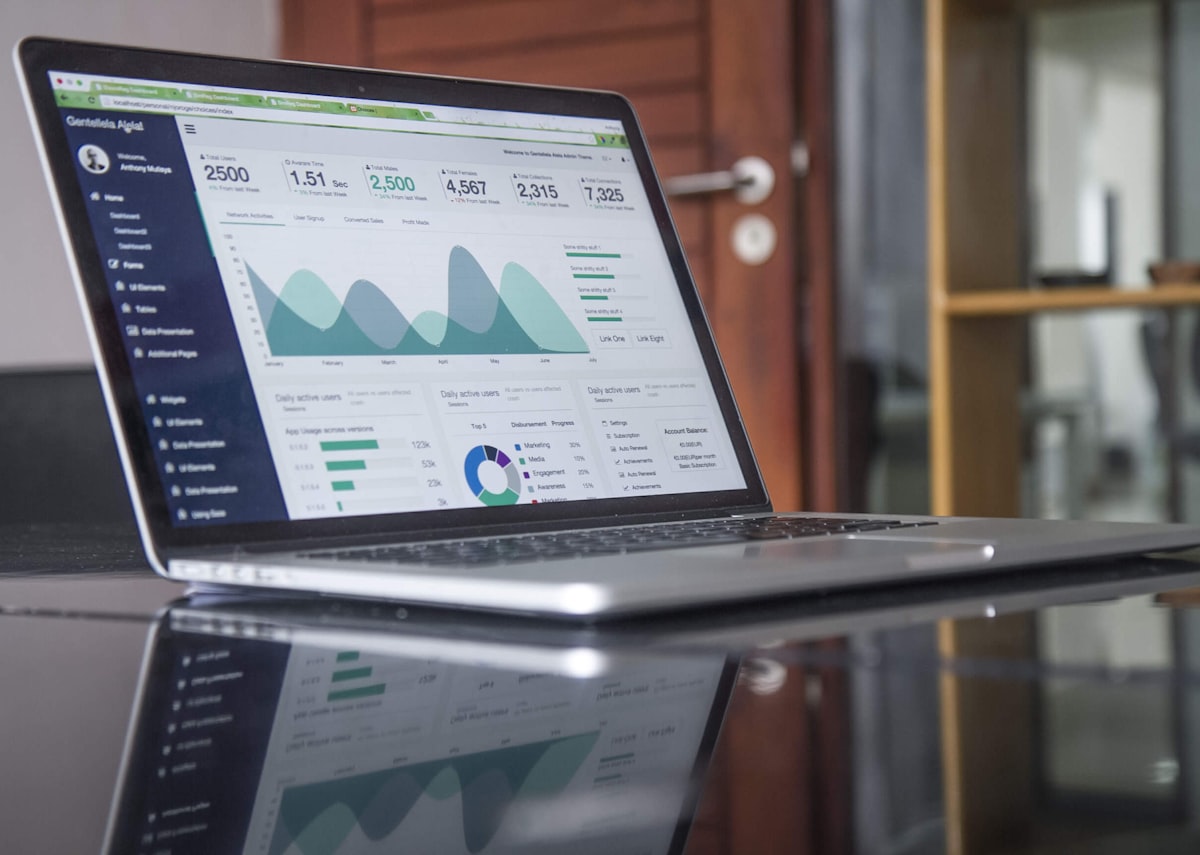
 Image: AI chatbots help qualify leads before they reach your sales team, improving conversion efficiency. Photo by Campaign Creators on Unsplash
How AI Chatbots Transform Lead Generation#
Modern AI chatbots don't just collect contact information. They qualify leads, personalize conversations, and route hot prospects to the right people—all automatically.
Conversational Lead Capture#
According to Chatling, "instead of hitting users with static forms, a chatbot gradually gathers contact details during conversation with prompts like 'Can I send the pricing info to your email?' This feels more like helpful assistance than data collection."
The result? LocaliQ data shows that conversational lead capture can generate 4x more leads than static forms.
Here's how the conversation typically flows:
- Value first: The chatbot answers a question or provides useful information
- Natural transition: "Would you like me to send you more details about this?"
- Information gathering: Collects email/name in context of providing value
- Qualification questions: Asks relevant follow-ups based on the conversation
- Routing: Connects qualified leads with sales or books a meeting
Automatic Lead Qualification#
Not all leads are equal. Your sales team's time is limited. AI chatbots can qualify leads before they ever reach a human.
BotsCrew explains: "Chatbots can effectively qualify leads by asking relevant questions. These questions should be based on your business goals and your definition of an ideal customer profile."
Effective qualification questions include:
- Budget indicators: "What's your approximate budget for this project?"
- Timeline: "When are you looking to implement a solution?"
- Company size: "How many people are on your team?"
- Decision authority: "Are you the primary decision-maker for this purchase?"
- Pain points: "What challenges are you currently facing with [problem area]?"
The chatbot scores responses and routes leads accordingly:
- High-quality leads → Immediate sales notification or calendar booking
- Medium-quality leads → Nurture sequence with follow-up content
- Low-quality leads → Self-serve resources and documentation
Strategic Engagement Triggers#
The best lead generation chatbots don't just wait for visitors to initiate conversation. They engage proactively based on behavior signals.
SpurNow identifies key triggers:
- High-intent pages: Pricing, demo requests, comparison pages
- Time on page: Extended browsing suggests interest
- Exit intent: Catching visitors before they leave
- Return visits: Recognizing and engaging repeat visitors
- Scroll depth: Deep engagement with content
A visitor who's spent 3 minutes on your pricing page and is about to leave is a prime engagement opportunity. A well-timed message like "I noticed you're looking at pricing—any questions I can answer?" can convert an exit into a conversation.
Real Numbers: What to Expect#
Let's look at actual performance data from companies using lead generation chatbots.
Conversion Rate Improvements#
Master of Code research found:
- Shoppers who engage with AI chat convert at 12.3%, compared to 3.1% without—a 4x increase
- In specific industries, chatbots achieve conversion rates as high as 70%
- Business leaders report a 67% increase in sales through chatbots
Lead Quality Improvements#
According to Martal Group:
- 64% of businesses using AI chatbots report an increase in qualified leads
- Real-time interaction has boosted conversion rates by up to 20% in B2B settings
- A SaaS startup using AI chatbot for lead qualification increased conversion rates by 28%
Response Time Impact#
Lindy's analysis shows:
- Chatbots respond in seconds, while average form response times are measured in hours
- This speed advantage alone accounts for significant conversion improvements
- Studies show that live chat can increase sales by 40% and bring in 48% more revenue per hour
ROI Metrics#
LocaliQ reports:
- 57% of businesses report significant ROI from chatbots
- Teams see up to 181% more sales opportunities
- Close rates improve from 11% to 40% with chatbot-assisted qualification
Building an Effective Lead Generation Chatbot#
Here's how to implement a chatbot that actually converts.
Step 1: Define Your Ideal Customer Profile#
Before building anything, clarify who you're trying to capture:
- What company sizes are ideal customers?
- What industries do you serve?
- What budget ranges indicate a good fit?
- What pain points does your solution address?
- What timeline indicates buying readiness?
These criteria become your qualification framework.
Step 2: Map the Conversation Flow#
Landbot recommends building a framework that defines:
Welcome message: Capture attention and communicate how the chatbot can help
"Hi! I'm here to help you find the right solution for [problem].
What brings you here today?"
Discovery questions: Understand visitor intent
"Are you looking to:
- Learn more about [product]
- Get pricing information
- Talk to our team
- Something else"
Qualification flow: Gather information conversationally
"To give you the most relevant information,
can you tell me a bit about your company size?"
Value exchange: Offer something in return for contact info
"I can send you a detailed comparison guide.
What email should I send it to?"
Next steps: Clear path forward
"Based on what you've told me, I think you'd benefit from
talking to our team. Would you like to schedule a quick call?"
Step 3: Choose the Right Platform#
For lead generation, Denser AI offers several advantages:
- 5-minute setup with no coding required—marketing teams can deploy without IT help
- Automatic crawling of 100K+ pages—enterprise-ready, capturing all your product information and pricing
- Accurate answers with source citations—builds trust with prospects who can verify claims
- Built-in lead capture with custom forms—collect exactly the qualification data your sales team needs
Step 4: Integrate with Your Tech Stack#
Your chatbot shouldn't exist in isolation. Integrate with:
- CRM systems: Automatically create/update contact records
- Email marketing: Trigger nurture sequences based on qualification
- Calendar tools: Enable instant meeting booking for qualified leads
- Sales tools: Notify reps of hot leads in real-time
- Analytics: Track conversion metrics and optimize
Step 5: Set Up Qualification Scoring#
Create a scoring system based on responses:
| Factor | High Score | Medium Score | Low Score |
|---|---|---|---|
| Budget | Above target | Within range | Below minimum |
| Timeline | Immediate | 1-3 months | No timeline |
| Company Size | Ideal range | Acceptable | Too small/large |
| Decision Authority | Decision maker | Influencer | Researcher |
| Pain Point Match | Strong match | Partial match | No clear pain |
High-scoring leads get fast-tracked to sales. Lower scores enter nurture sequences.
Step 6: Test and Optimize#
Launch with a baseline, then iterate:
- A/B test opening messages
- Experiment with qualification question order
- Try different trigger timing
- Adjust scoring thresholds based on sales feedback
- Monitor drop-off points in the conversation flow
Common Mistakes to Avoid#
Asking Too Many Questions#
Every question is friction. Best practice is limiting qualification to 3-4 high-signal questions. Get essential information, then let sales gather details.
Being Too Aggressive#
A chatbot that pops up immediately and demands contact information feels pushy. Let visitors browse. Engage on high-intent pages or after meaningful engagement.
Forgetting the Value Exchange#
People give information when they get something in return. Every data request should be tied to value: "To send you pricing..." or "To schedule a demo..." not just "Fill in your email."
Ignoring Mobile Users#
More than half of web traffic is mobile. Your chatbot needs to work seamlessly on smaller screens. Test thoroughly on mobile devices.
Not Following Up#
Capturing a lead is just the start. Without fast follow-up, the lead goes cold. Ensure your chatbot integrates with systems that trigger immediate action.
Measuring Success#
Track these metrics to optimize your lead generation chatbot:
Primary Metrics#
- Chat engagement rate: % of visitors who interact
- Lead capture rate: % of chats that become leads
- Qualification rate: % of leads that meet criteria
- Sales-accepted lead rate: % of leads sales finds valuable
Secondary Metrics#
- Average conversation length: Longer isn't always better
- Drop-off points: Where do conversations stall?
- Question response rates: Which questions cause abandonment?
- Time to lead: How quickly are leads captured?
Business Outcomes#
- Cost per lead: Compare to other channels
- Lead to opportunity rate: Are chatbot leads converting to pipeline?
- Revenue influence: Track closed deals back to chatbot interactions
Getting Started#
If you're ready to implement AI chatbot lead generation:
- This week: Audit your current lead capture (forms, conversion rates, response times)
- Next week: Define your ideal customer profile and qualification criteria
- Week 3: Choose a platform and build your initial conversation flow
- Week 4: Launch on high-intent pages (pricing, demo request)
- Ongoing: Monitor metrics and optimize based on data
The companies seeing the best results aren't using chatbots to replace their sales teams—they're using them to ensure sales teams only spend time on qualified, engaged prospects.
For a comprehensive overview of how AI chatbots work across different industries and use cases, see our complete guide to AI chatbots for websites.
Ready to transform your website's lead generation? Try Denser AI free and build a lead-qualifying chatbot in minutes.
Frequently Asked Questions#
How many more leads can I expect from a chatbot vs. forms?#
Data consistently shows 3-4x improvement in lead capture rates. LocaliQ reports that conversational lead capture generates 4x more leads than static forms. However, actual results depend on implementation quality and your specific audience.
Will visitors find chatbots annoying?#
Not if implemented thoughtfully. Visitors appreciate chatbots when they provide genuine help, don't interrupt aggressively, and make it easy to reach humans when needed. The key is value-first engagement, not pushy data collection.
How do chatbots handle complex questions they can't answer?#
Well-designed chatbots recognize their limitations and route complex questions to human agents. They can collect contact information and context, then hand off seamlessly so the visitor doesn't have to repeat themselves.
What's the minimum traffic needed for chatbot lead generation to work?#
There's no strict minimum, but you need enough traffic to generate meaningful data. Sites with at least 1,000 monthly visitors will see clearer patterns. Smaller sites can still benefit, but optimization takes longer.
How do chatbot leads compare in quality to form leads?#
Chatbot leads are often higher quality because the qualification happens during the conversation. Instead of getting raw contact information, you get context about their needs, budget, and timeline before they ever reach sales.
Can chatbots book meetings directly?#
Yes. Most lead generation chatbots integrate with calendar tools like Calendly or HubSpot Meetings. When a lead qualifies, the chatbot can present available times and book the meeting without human involvement.